Thoughtfully prepared. For real life.Buy directly on Amazon · No own shipping
READYFIELD
Sign inMy list0
PREPARE / EQUIP / UNDERSTAND

Family emergency preparedness. A plan for everyone.

Prepare together: organise supplies, contacts and personal equipment around everyone in your household.

Fill the gaps. Use what you already own.
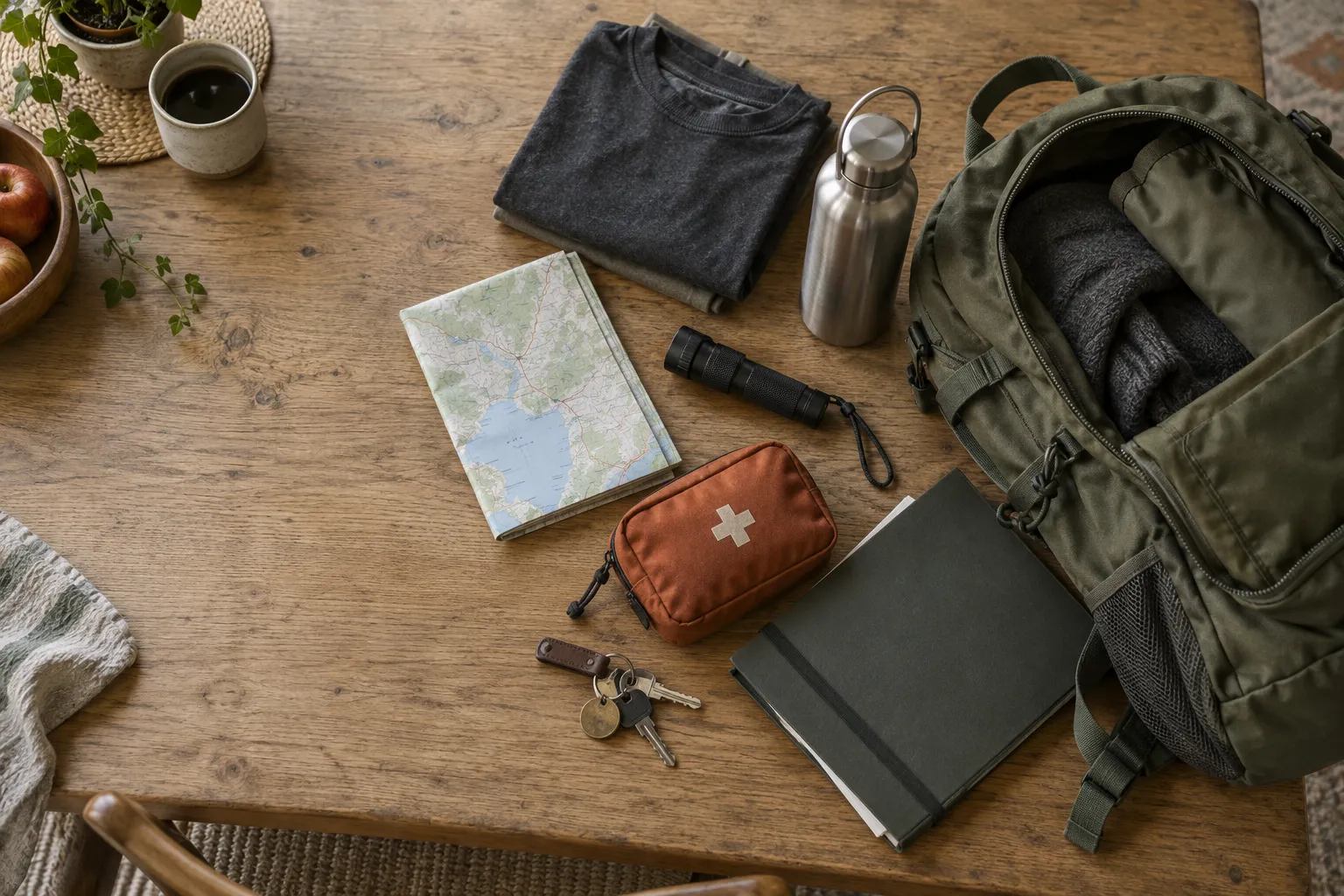
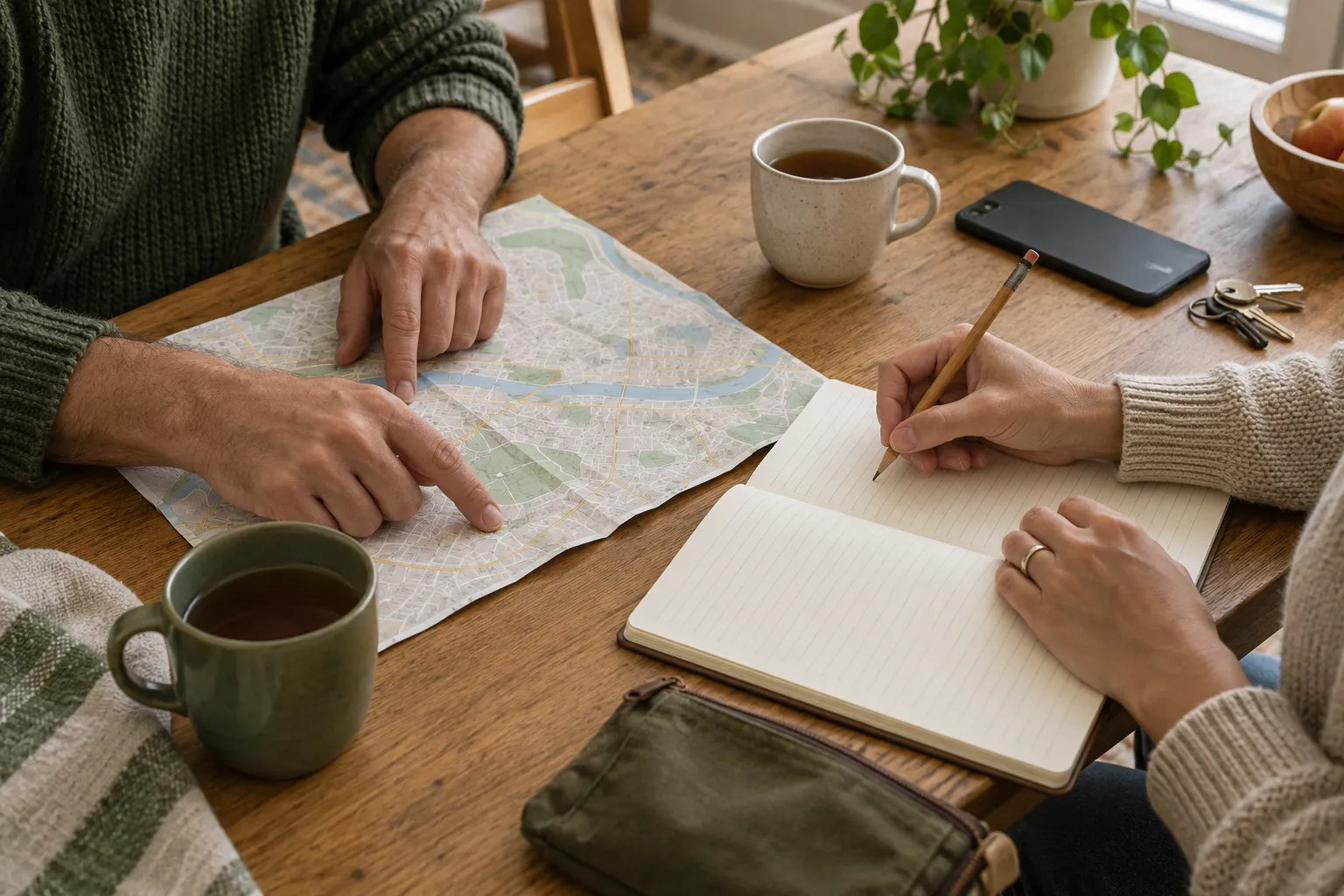
Planning together with a map, notebook and shared arrangements.
AI-generated illustration
People

Make individual needs visible.

Supplies

Separate shared and personal equipment.

Arrangements

Record contacts and responsibilities.

UNDERSTAND FIRST. THEN CHOOSE.

Find what fits your everyday life.

A family needs more than several copies of the same packing list. A young child, an adult and a relative using mobility aids have different needs. This page connects shared planning with equipment categories for interrupted supplies, unavailable phone service or temporarily leaving home.

Who needs what?

Our suggestion: walk through an ordinary day. What does each person need in the morning, away from home and in the evening? Include easily overlooked items such as glasses, care supplies and suitable food. Discuss medical questions with the appropriate professional.

Who contacts whom?

The American Red Cross recommends a shared emergency plan with meeting places and a contact outside the affected area. Keep a paper copy of your arrangements. The linked family guide helps you build your own contact card.

What stays at home?

A large storage container serves a different purpose from a bottle in your bag. Give shared supplies a fixed place and label personal equipment clearly. Useful organisation is organisation that other family members understand too.

YOUR SELECTION, YOUR NEEDS

Find the pieces that fit.

Individual products to compare and save. Not a pre-packed complete kit.

Open my list

For stationary water storage; account for filled weight.

Personal water bottle; manage contents and cleaning.

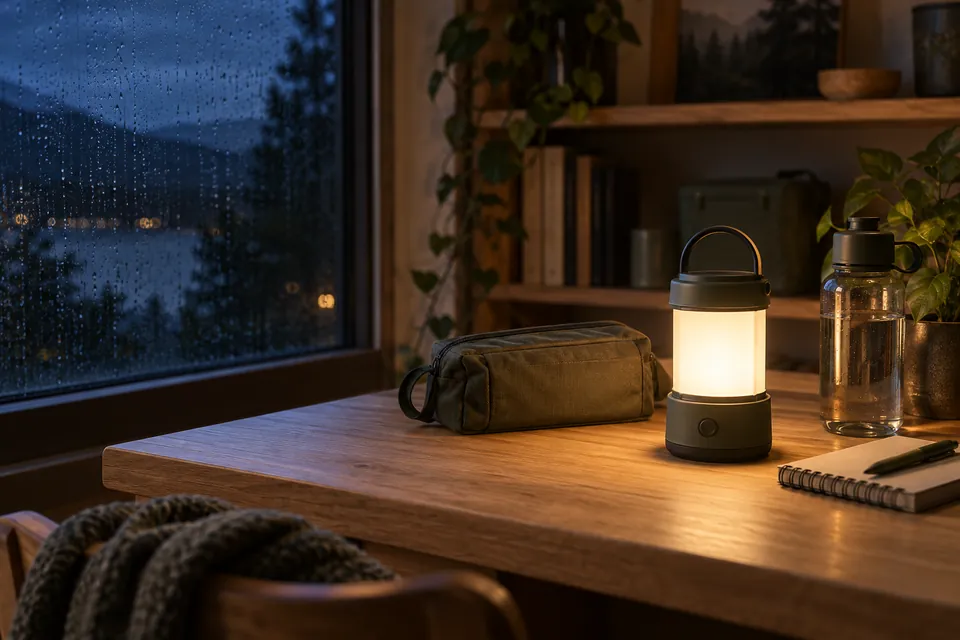
An option for a shared space.

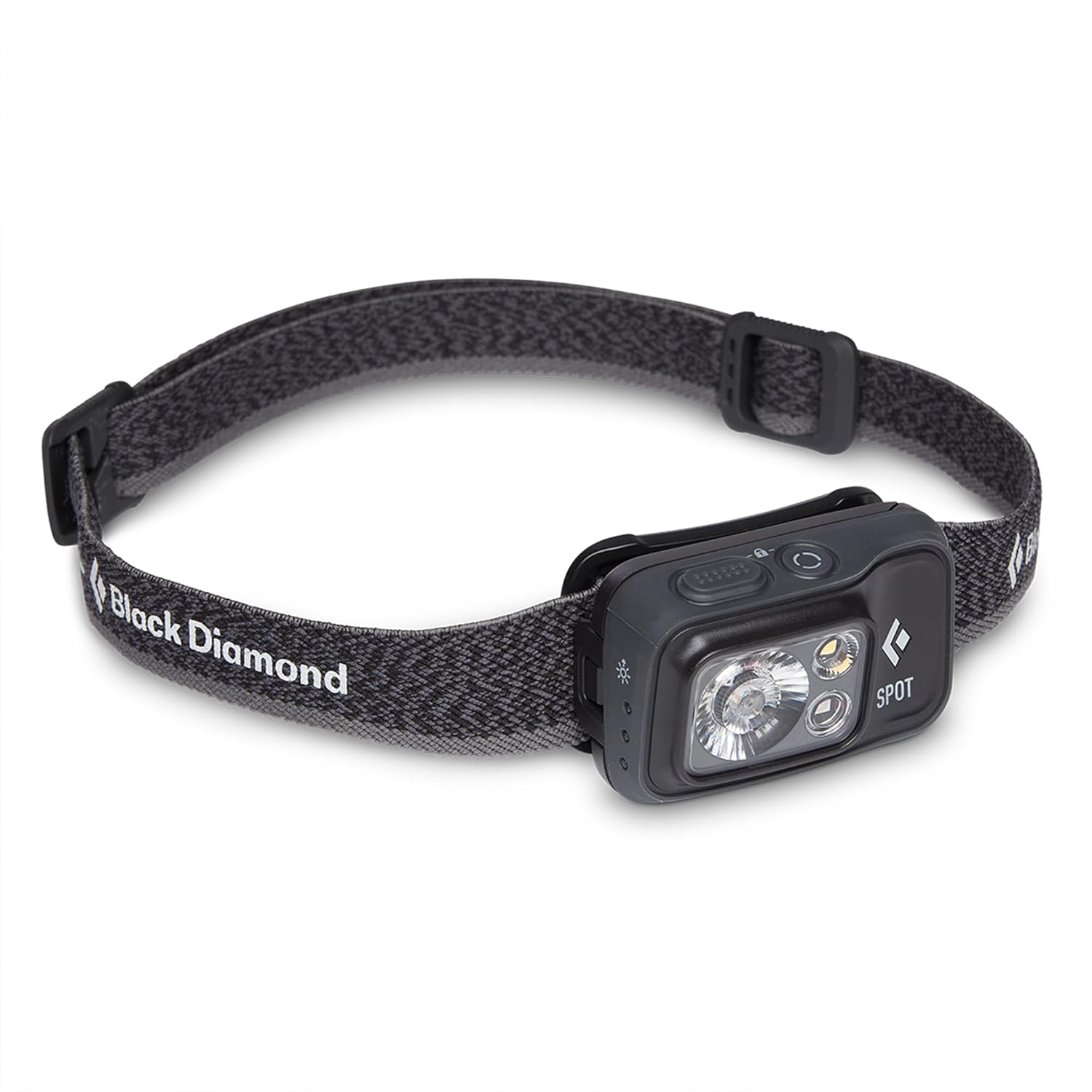
Personal light alongside shared room lighting.

Check contents, US version and personal additions.

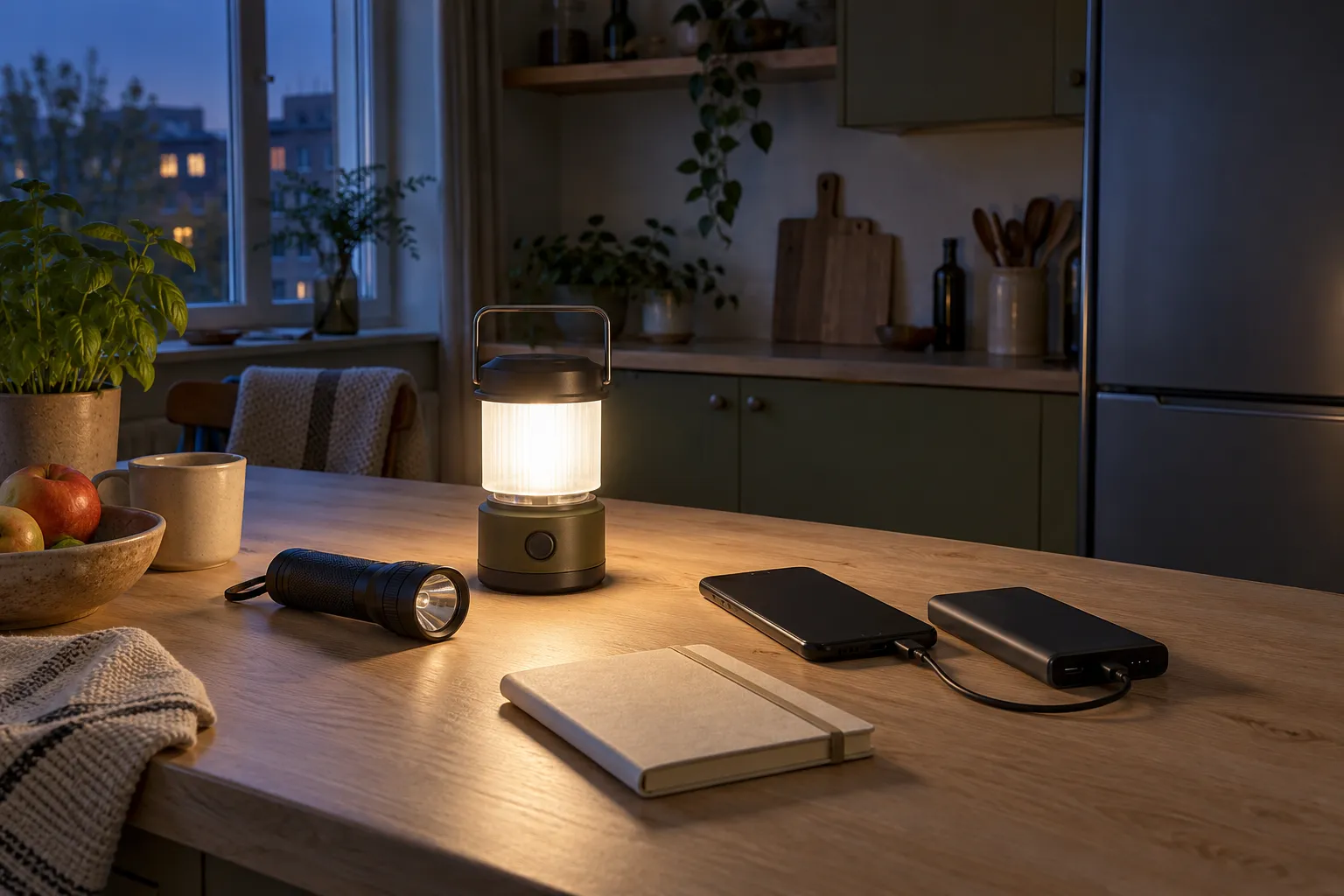
Test with the phones and cables you actually use.

Food and drinking water arranged on a household pantry shelf.
Food and drinking water arranged on a household pantry shelf.AI-generated illustration
FROM PLANNING TO PRACTICE

Put your plan into practice.

Start with one sheet per person and list what cannot simply be swapped: suitable clothing, essential aids, familiar food and key contacts. Keep a separate household list alongside it. This makes shared equipment and individual needs easier to distinguish.

Open your equipment listSaved on this device. No account needed.
FIELD NOTES

Get into the details.

All guides
GOOD TO KNOW

Before you choose.

How can a family start on a small budget?

Start with an inventory and shared arrangements. Check bags, lights and household supplies you already own before choosing new equipment. A missing phone number or an unknown storage place can often be resolved without buying anything.

Does every child need their own emergency bag?

Allocate equipment according to age, ability and supervision. Do not rely on a child carrying a heavy bag. Familiar personal items and clearly assigned equipment can still be useful.

Is this relevant to civilian war preparedness?

Planning supplies and communication is one part of that preparation too. Shelter, local alerts and specific hazards need additional information. Our civilian war preparedness guide considers those topics separately.

YOUR STARTING POINT

For what lies ahead.

Sources & scope

General household planning with supporting sources from the US and UK. Specific warning systems and local requirements differ. Examples and product selection are READYFIELD editorial work. Current local instructions take priority.

Sources checked: