A compact stove can look like an easy answer when an electric cooker stops working. Whether it belongs in your plan depends first on a suitable outdoor location. The exact manual, compatible fuel and a meal that can actually be prepared follow from there. Without that arrangement, ready-to-eat supplies remain useful.
Who is this guide for?
Prepared by READYFIELD. Editorial selection guidance for portable fuel-burning camping stoves, not operating instructions. Safety sources: CDC and the MSR PocketRocket 2 manual. Follow the actual device's instructions, local restrictions and fire-safety requirements.
Sources checked on:
Can a camping stove be used inside a home?
No. Portable fuel-burning camping stoves do not belong inside homes, tents or campers. The CDC warns about carbon monoxide from combustion equipment; the gas is odourless and can be fatal. A garage is not a suitable indoor workaround.
The linked PocketRocket 2 manual explicitly limits use to outdoors. An open window or extractor fan does not turn it into an approved indoor appliance. Include the stove as an option only when a genuinely suitable outdoor location is available.
Location is the first purchase decision
Describe the intended location before choosing a stove. Does it provide the space and separation from combustible materials, building openings and walking routes required by the actual manual? Is use allowed there, and can you reach it without creating another hazard?
A balcony is not automatically suitable simply because one side is open. If those questions cannot be answered reliably, plan meals that do not need cooking first. Finding a suitable location should not be left until you are about to prepare a hot pan.
Treat stove, fuel container and pot as a system
Do not compare only the burner's weight. Check the explicitly approved fuel, connection system and cookware requirements. Similar-looking fuel containers can differ; visual resemblance is not confirmation of compatibility.
The PocketRocket 2 is a specific canister-stove example, not a universal adapter for arbitrary fuels. Read the full manual before buying and keep it with the stove. If information is missing, the combination remains unconfirmed and should not be recorded as a dependable setup.
The meal determines water and accessories
Choose a specific meal and work through the preparation printed on its packaging. What water quantity, pot size, utensils and cleaning arrangements does it require? A freeze-dried pouch and an empty pan do not yet make a complete cooking setup.
Opening packages and placing equipment must work too. Start with a familiar recipe or a meal you have already tried. Keep an alternative that can be eaten without heating so the plan does not depend entirely on weather, fuel and an approved outdoor location.
Do not turn one boiling claim into a fuel-duration promise
A manufacturer's figure for heating a certain volume of water describes particular conditions. Without further information, it cannot establish an entire household's demand or a fixed number of days per canister. Record the planned meals and identify which documented figures actually apply.
Water, cookware and surroundings can change the plan. We therefore do not invent a fuel-reserve quantity. An extra canister also cannot solve incompatible equipment or an unsuitable operating location.
Get familiar with the complete manual
Before first use, read all manufacturer warnings, checks, operating steps and storage instructions. A short shop description cannot replace the manual. Use only documented combinations and do not add improvised modifications or shields.
If you notice damage or cannot assess the setup confidently, do not use it; resolve the question with the manufacturer or a qualified source. Preparation is not complete until storage and post-use inspection are understood as well.
A better plan may need no new stove
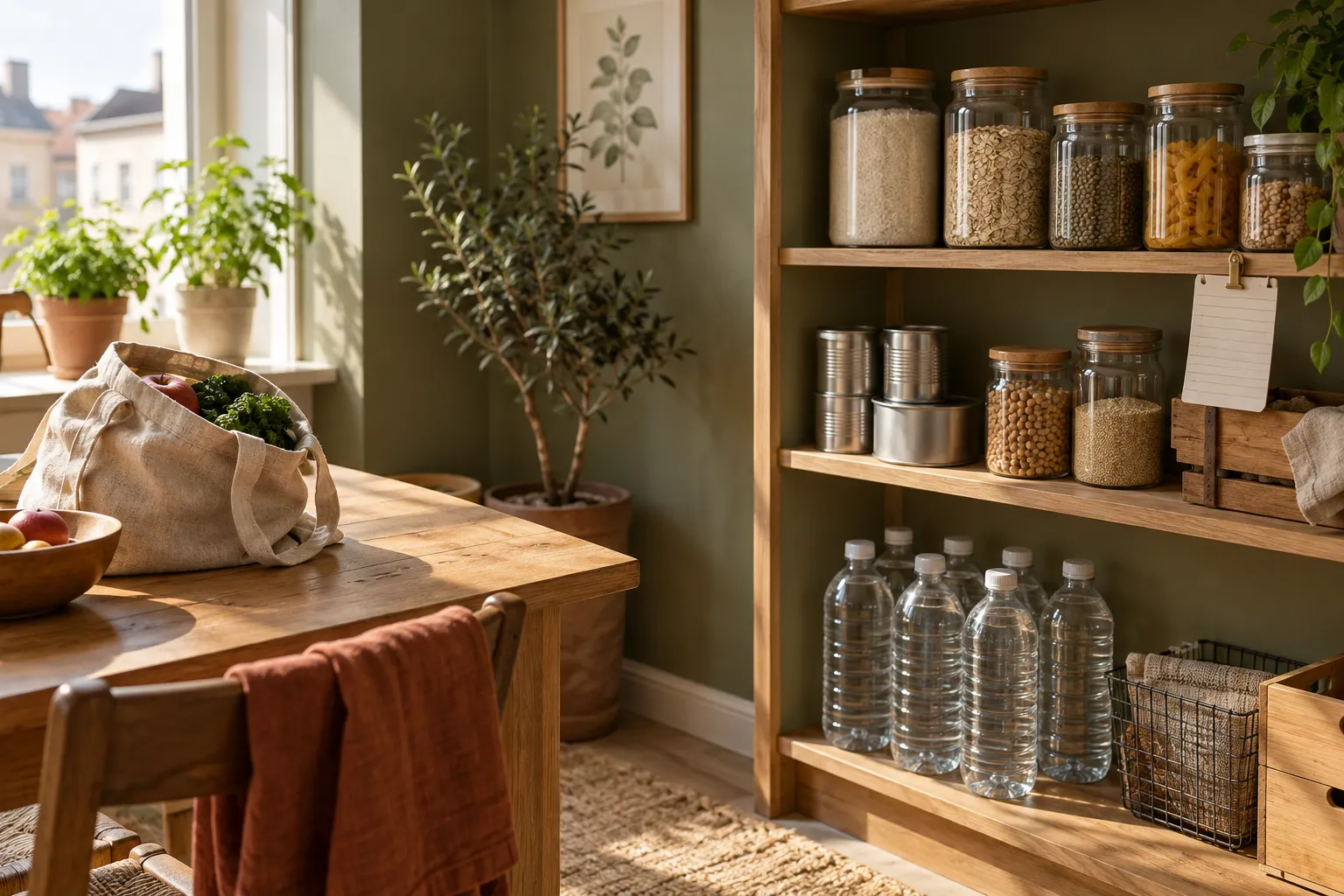
If you lack a suitable outdoor location, a broader selection of familiar ready-to-eat food is a practical planning direction. Supplies you can open manually, suitable drinks and familiar utensils can be organised without adding fuel-burning equipment. An outdoor stove may still suit camping or an appropriate outside area, but it does not have to solve every housing situation.
The linked category supports comparison of documented features. Choose a product once its role and limits are explicit in your plan.
FAQ: Does a CO alarm make indoor use safe?
No. An alarm changes neither the permitted location nor the stove's instructions. Continue to plan fuel-burning camping stoves only for a suitable outdoor area. A device that warns of a hazard is not permission to deliberately create that hazard.
FAQ: Can I use the stove to heat a room?
No. A camping stove is not a room heater and must not be used to warm living spaces. Treat warmth and cooking as separate tasks. If conditions make the home unsafe to occupy, follow information and shelter arrangements provided by local authorities.
Sources and review dates
- What to Do to Protect Yourself During a Power Outage · Centers for Disease Control and Prevention (CDC) · checked
- PocketRocket 2 instruction manual · MSR / Cascade Designs · checked