When the lights go out, the most useful switch is one you can find immediately. A practical lighting plan starts beside your bed, near the entrance and in your shared living space. Build a small, maintainable setup from lights you already own, then identify the addition that fills a real gap.
What should I prepare first?
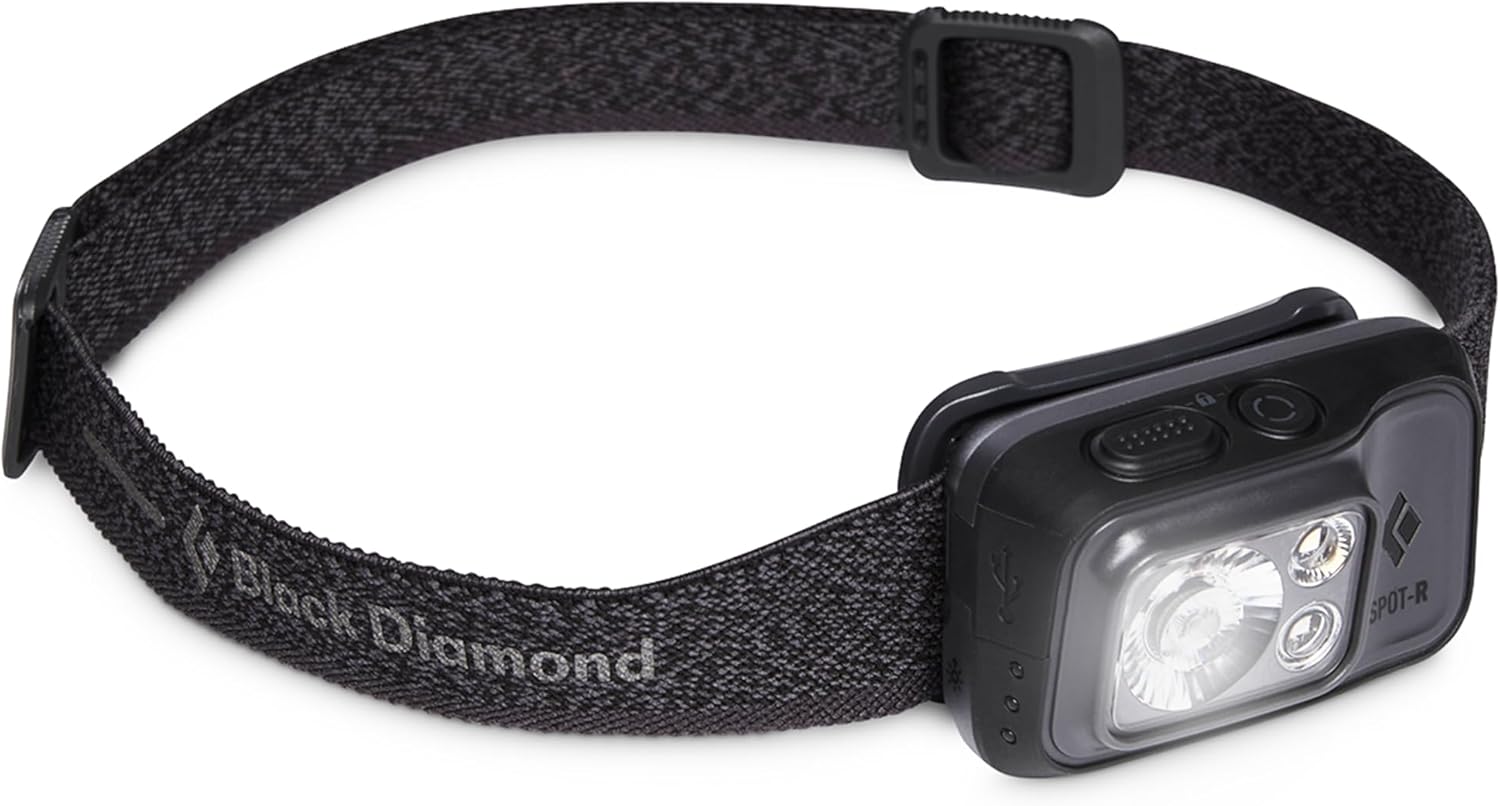
Start with a handheld light beside your bed and an accessible light for the shared living area. A headlamp helps when you need both hands free. The U.S. Fire Administration recommends flashlights instead of candles during an outage. Our selection approach therefore makes electric lighting the default and starts with equipment you already own. Two lights with familiar controls can be a more useful starting point than one complicated device with many operating modes.
Three jobs, three lighting formats
A flashlight directs light at a specific place, such as a door lock or the path ahead. A headlamp follows your gaze and helps while sorting a bag or reading instructions. A lantern spreads light across a table so several people can use the same area. No single format needs to do every job. Write down what you need to see at each planned location. This gives you a better comparison than ranking a lantern and a compact flashlight by their highest brightness numbers alone.
Read runtime alongside the brightness setting
A long runtime may refer to the lowest setting. Record the mode, stated brightness and corresponding manufacturer runtime together. If those figures are not linked, useful runtime for your task remains uncertain. During a trial, choose a setting that lets you read or move around comfortably. Check whether the light remembers that setting and whether it starts with a bright or flashing mode instead. These details matter particularly when several people share the same light.
Simplify the energy supplies
For each light, identify its power source and, if relevant, how it charges. Do not mistake a charging input for an output that can supply another device. A shared battery format can simplify storage, while an existing rechargeable light may avoid an unnecessary purchase. What matters is having the correct cells or cable in the agreed location. Follow the manual for storage and charging. Record missing information as an open question rather than borrowing a runtime or charging feature from a similar model.
Try the arrangement together
Walk through the planned routes with the normal lights on. Can everyone find and switch on the backup light? Are labels readable, controls manageable with limited dexterity and battery compartments accessible? Address everyday trip hazards before an outage happens. A consistent, explained storage location helps children and guests. Position freestanding lights so cables do not cross walking routes. A small drawing of the storage locations may be more useful to your household than a long list of product names.
An example for a small home
For a home with a bedroom, hall and shared kitchen, one arrangement might keep an existing flashlight by the bed, another personal light by the exit and a lantern on the shared table. A headlamp, if needed, stays with the bag you take outside. This is an organisation example, not a universal shopping list. Check whether taking one light away leaves another area without lighting. A useful addition closes that particular gap. The linked BioLite lantern is an example of area lighting, not a winner from a test we conducted.
A short check before putting everything away
After use, check that each light is back in its place, has an adequate power supply and still has its cable. Also schedule periodic checks based on the manufacturer's guidance. Note the date on your equipment list. If a light is constantly borrowed for everyday use, give it a clear return location or a different role in the plan. Buying another light makes more sense once you understand why the current arrangement leaves a gap.
FAQ: Is the flashlight on my phone enough?
It can help briefly. As your only planned light, however, it competes with communication and other tasks on the same device. Try a separate light you already own before planning larger purchases. Treat the phone as an additional option and include its charging needs in the wider power plan.
FAQ: Does every room need a lantern?
Not automatically. Plan around areas used at the same time and people who may take a light with them. A shared living area, personal portable lights and straightforward routes may cover your needs. A practical household trial is more informative than calculating a shopping quantity from the number of rooms.
Sources and review dates
- Candle Fire Safety · U.S. Fire Administration (FEMA) · checked
- Vorsorge und Handeln bei Stromausfall · Bundesamt für Bevölkerungsschutz und Katastrophenhilfe (BBK) · checked