A siren is loud. Your next step should be clear. Discovering that nobody can find the basement key is an avoidable gap in a household plan. Learn how to interpret Germany’s shelter guidance and resolve practical questions about your building before an emergency.
Who is this guide for?
For households in Germany. Guidance is based on the authorities listed below; examples and planning aids are READYFIELD editorial work. Current local instructions take priority. Both language versions have the same geographic scope.
Sources checked on:
A siren does not tell you the whole situation
A siren alone is not proof of an air raid. Heidekreis district, for example, explains different signals for public warnings and fire-service alerts, alongside a mix of warning channels. Find out what the local signals mean and where the accompanying information is issued.
Give your personal plan a specific entry: where can I obtain the actual warning for my location? Record your municipality’s official service and an available alternative. “What does this mean here and now?” matters more than an interpretation based on a short video in a group chat. If danger is immediately apparent, do not delay taking shelter to research it online.
The BBK’s guidance for explosion hazards
For explosion hazards, the BBK identifies windowless basements and windowless interior rooms as shelter options. Avoid the attic, keep away from glass and do not use lifts. The authority recommends having two walls between you and the outside where possible. This is not an assurance against a direct hit.
Do not apply that guidance blindly to a room whose condition you do not know. A floor plan shows windows and external walls; it does not establish whether structural elements are sound or damaged. Record open building questions and discuss them with the building manager or a qualified specialist. A location card you prepare yourself is not technical certification.
No basement? Check the rooms that actually exist.
You cannot plan a new basement into a rented apartment. Use the actual layout and mark the rooms you want to consider against the guidance above. Separate observations from assumptions: “interior hallway without windows” describes something you can see. “We will definitely be safe here” would be an unsupported assurance.
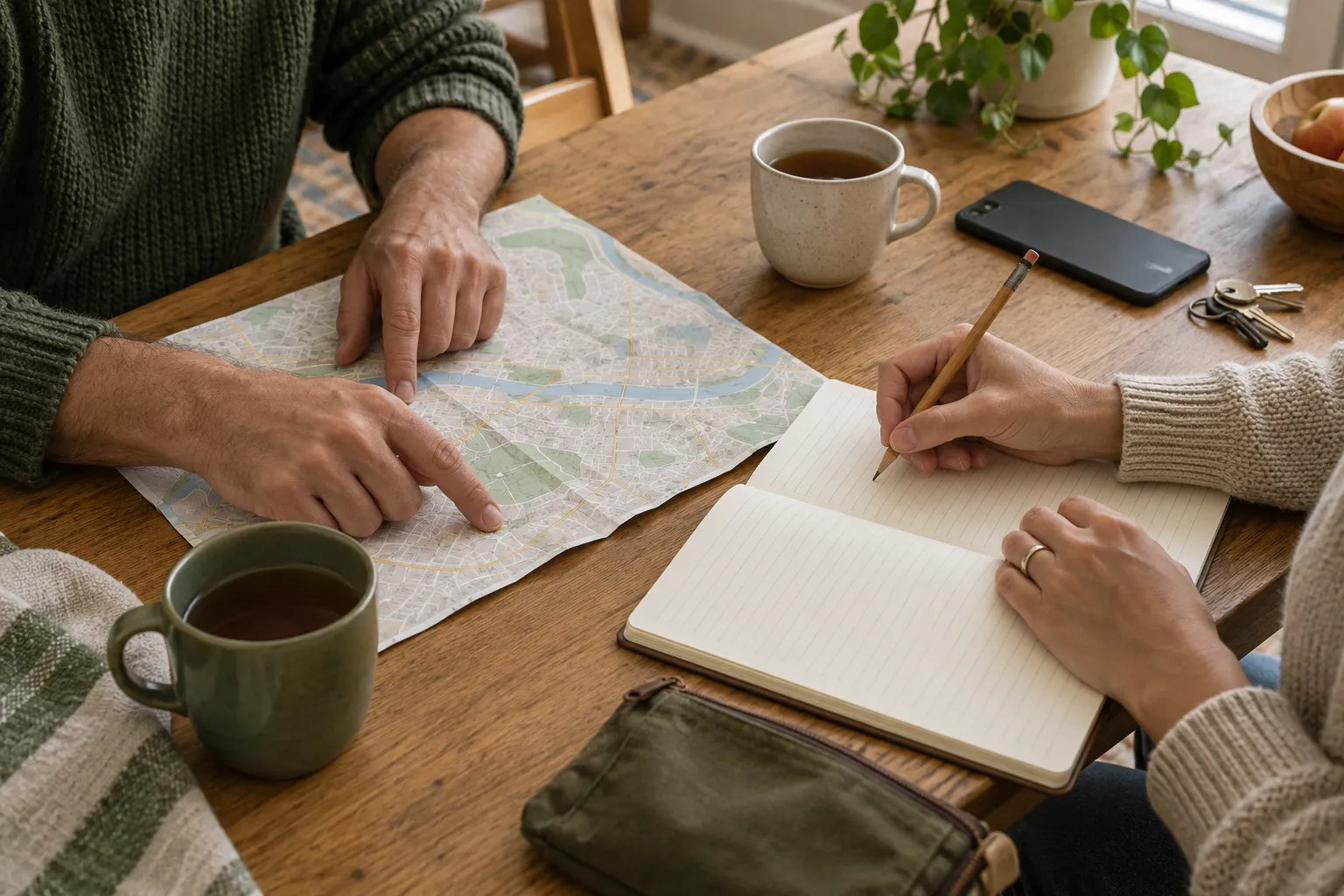
Our planning suggestion is a simple sketch using the room names everyone in the household knows. “Hallway beside the bathroom” is clearer than “at the back”. Add questions you still need to resolve. If you are unsure, use the sketch to ask for qualified advice rather than labelling the room a shelter yourself.
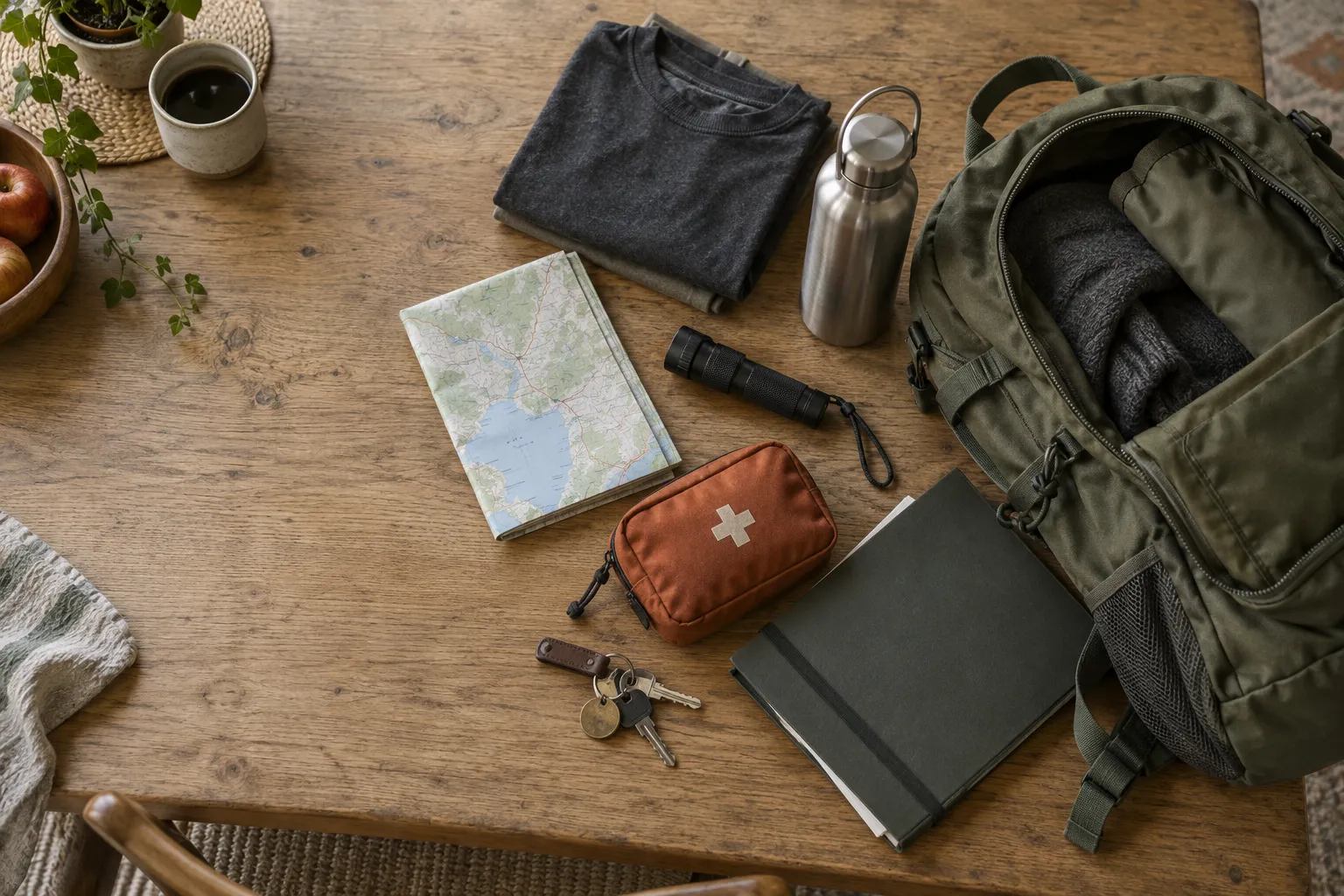
Account for the locked door
A proposed location is of little practical use if access depends on a key nobody can find. Resolve access questions in ordinary circumstances: which door is locked, who is responsible, and does an arrangement also apply at night and at weekends? Record confirmed answers with the date and contact person.
Also check whether the route works with the mobility aids used in your household. Someone may be able to open a door but not carry a bag at the same time. Walk the route in normal lighting without time pressure. This rehearsal identifies organisational obstacles. It does not mean taking a long journey to a supposedly better location during danger.
A bunker map pin is not an access plan
When searching for a nearby bunker, an old map entry can look like a current promise. For any location you consider, record the origin of the information, its date, confirmed access and the responsible authority separately. An unanswered field remains an unresolved part of the plan.
A photograph of a heavy door establishes neither opening hours nor available space or structural suitability. Use the responsible authorities for current refuge locations and instructions. This article does not list any addresses as verified shelters. You need current, reliable information for the place where you actually are.
Different hazards require different decisions
The BBK’s overview explicitly warns against entering basements and underground garages during flooding or flood danger. Hazardous-material incidents have their own guidance. A room considered for explosion hazards is therefore not a universal answer.
Mark clearly on your location card which scenario the information concerns. Do not confuse it with a general evacuation plan or write “always come here”. When several hazards occur together, a general online article cannot reliably decide your individual situation. Follow the current warning and instructions at your location.
A damaged building changes the situation
For a building destroyed by an explosion, the BBK instructs people to leave the danger zone and keep away from debris and dust. Do not enter smoke-filled rooms. Do not search damaged areas for possessions; alert responders and follow their instructions.
Your prepared location plan loses its usefulness if it no longer matches actual conditions. The same applies to meeting points and routes. Label your records as advance planning based on normal starting conditions. A plan should support decisions, not encourage you to persist with an arrangement that has become visibly dangerous.
Make a location card another person can understand
Put these six entries on one page. Record confirmed information and label unresolved questions clearly. The card documents your preparations; it does not certify a building’s protective performance.
Location and date: address, date and hazard being considered.
Room: exact location inside the building and known limitations.
Access: door, key and confirmed access arrangement.
Support: who needs assistance and who has agreed to provide it? Keep this on your private copy.
Information: local warning channel and contact for building questions.
Unresolved: outstanding questions, responsible contact and next review date.
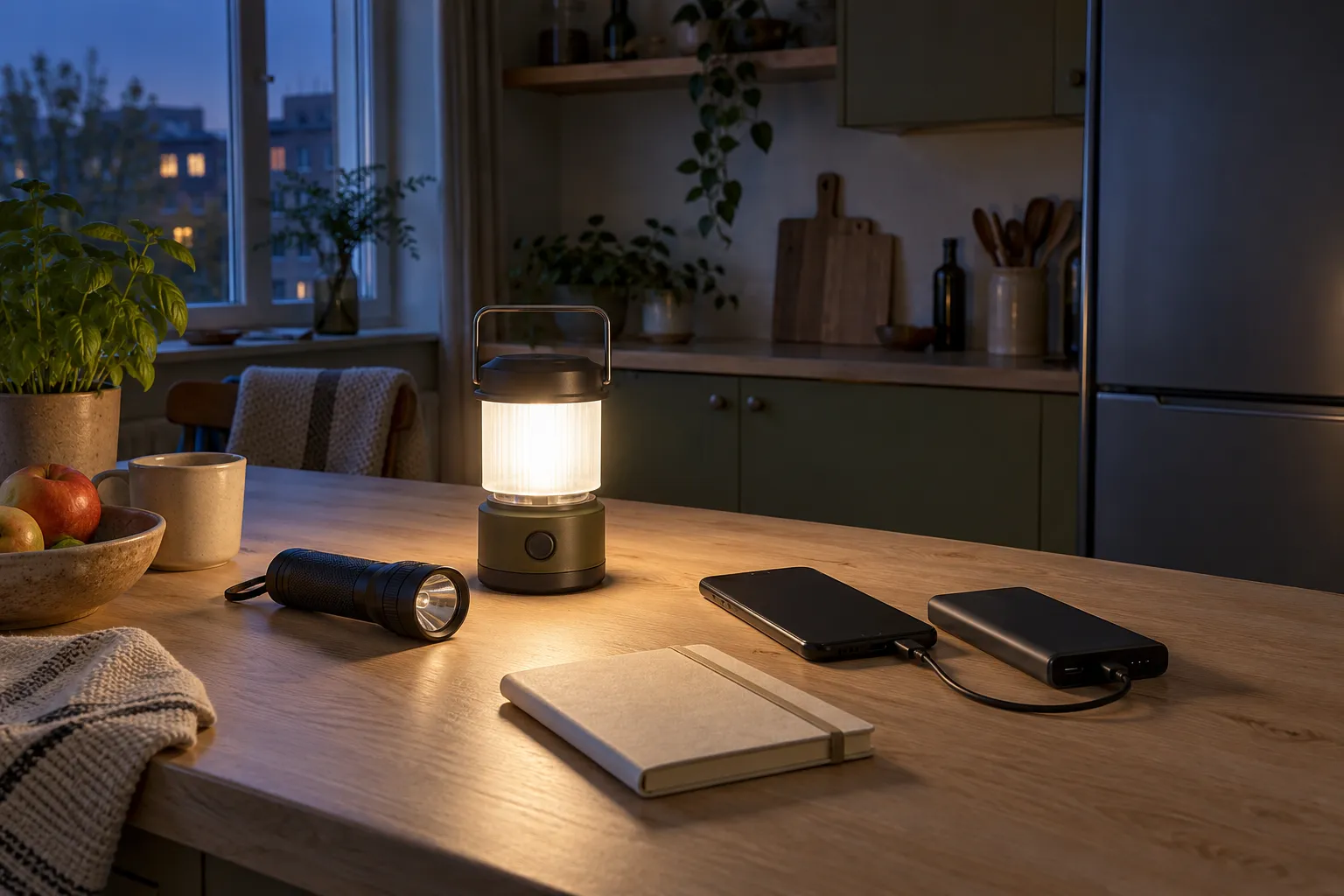
Ask someone you trust to describe the intended location using the card. If they confuse a hallway or door, clarify the entry. An accessible light helps with reading and orientation; it does not change a room’s structural suitability.
Questions you can resolve today
Choose three concrete tasks: record the local warning channel, clarify who controls basement access and review the room description with your household. Arrange an appropriate advice contact for structural uncertainties.
Is every basement a bunker? No; basements and purpose-designed protective structures are not equivalent. Should every siren send me to the same room? The actual hazard and current instructions determine what to do. Can buying a product replace this preparation? Access, shared understanding and a realistic assessment cannot be added to a shopping cart.
Sources and review dates
- Hinweise zum Sirenenalarm · Landkreis Heidekreis · checked
- Explosionen: Hier finden Sie Schutz · Bundesamt für Bevölkerungsschutz und Katastrophenhilfe (BBK) · checked
- Schutz suchen · Bundesamt für Bevölkerungsschutz und Katastrophenhilfe (BBK) · checked